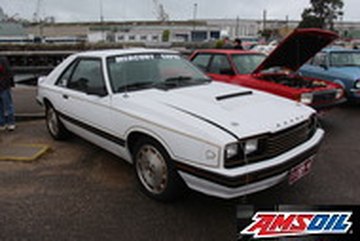
Lubrication Maintenance for the 1980 Mercury CAPRI 2.3L
Maintaining a vehicle from the early 1980s requires a proactive approach to fluid management and mechanical inspection. For owners of the 1980 Mercury CAPRI equipped with the 2.3L engine, consistent attention to lubrication systems is a fundamental aspect of long-term engine health. Because older engines may exhibit different sealing characteristics than modern counterparts, understanding how to monitor and respond to changes in fluid condition is essential for effective ownership.
Monitoring Fluid Integrity and Potential Leaks
One of the most practical maintenance tasks for this vehicle involves regular visual inspections of the engine bay and undercarriage. Over time, various gaskets and seals may undergo changes due to heat cycles and age. Rather than assuming a component is failing, owners should look for objective evidence of seepage or active leaks.
When performing routine checks, pay close attention to the following areas:
- Sealing Surfaces: Inspect the areas where major engine components meet to check for any signs of wetness or residue that could indicate a slow seep.
- Undercarriage Inspection: Periodically check the ground where the vehicle is parked. Fresh spots of fluid can be an early indicator that a seal or gasket requires attention.
- Fluid Appearance: If you are checking the oil level, observe the color and consistency of the lubricant. Significant darkening or a gritty texture may warrant further investigation into the engine's internal cleanliness.
It is important to remember that many symptoms, such as an oily residue on an engine component, can have multiple causes. A visual inspection should be treated as a way to gather information rather than a definitive diagnostic tool. If you notice unexpected fluid loss or changes in how the engine operates, these observations should be investigated by a qualified technician.
Managing Engine Lubrication Requirements
The 2.3L engine relies on consistent lubrication to manage friction and heat during operation. As engines age, the characteristics of the lubricant they use become increasingly important for maintaining stable performance. While modern lubricants offer advanced chemical profiles, selecting a product that aligns with the specific needs of an older engine is a key part of service.
Some high-mileage oil formulations contain additives intended for use in aging engines. These specialized products may include seal-conditioning additives designed to help maintain the flexibility of various rubber components within the lubrication system. While these are not a substitute for repairing active leaks, they can be a consideration for vehicles showing signs of minor seepage.
Beyond seal conditioning, the thermal stability and oxidation resistance of the oil are vital. An oil that maintains its viscosity and resists breaking down under heat helps ensure that the engine remains protected throughout various driving conditions. When performing an oil change, ensuring the lubricant is fresh and free of contaminants is one of the most effective ways to support the longevity of the 2.3L powerplant.
Establishing a Maintenance Baseline
For many owners of a 1980 Mercury CAPRI, the vehicle may have a complex service history involving multiple previous owners. Without a complete set of maintenance records, establishing a baseline is a helpful first step in responsible ownership. This involves documenting the current state of all major fluids and mechanical components to create a reference point for future changes.
If documentation is unavailable, start by performing a comprehensive inspection of the vehicle's current condition. Note any existing leaks, the condition of visible hoses or belts (if equipped), and the general cleanliness of the engine compartment. By recording these observations, you can more easily identify when a new issue arises or when a component begins to deviate from its established baseline.
Consistent record-keeping—noting the date, mileage, and specific products used during every service—allows you to track how the vehicle responds to different lubricants and maintenance intervals. This data is invaluable for making informed decisions about future repairs and preventive measures.
Observing Potential Warning Signs
While routine inspections are the primary way to catch issues early, owners should also remain alert to changes in the vehicle's behavior during operation. Recognizing these signs can prevent minor issues from escalating into more significant mechanical concerns.
Potential indicators that warrant closer inspection include:
- Changes in Lubricant Consumption: If you find yourself needing to add oil more frequently than in previous months, this change in consumption should be investigated.
- Unusual Noises: Any new mechanical sounds coming from the engine area during startup or while idling may indicate that lubrication levels or pressures are not behaving as expected.
- Warning Indicators: If the vehicle is equipped with any oil-related warning lights, these require immediate attention to prevent potential damage.
- Exhaust Observations: While exhaust color can be influenced by many factors, certain changes in smoke appearance may be associated with how the engine is managing its internal fluids.
Always approach these symptoms with the understanding that they are indicators rather than definitive diagnoses. A change in behavior is a signal to perform a more thorough inspection or to seek professional diagnostic services.
Prioritizing Long-Term Engine Care
As a vehicle reaches several decades of age, maintenance priorities often shift from purely preventive tasks to condition-based management. Rather than following a rigid schedule based solely on the age of the car, it is more effective to prioritize tasks based on the actual state of the mechanical components.
Effective prioritization involves addressing active concerns first—such as an identified leak or a noticeable change in fluid quality—before moving on to broader preventive maintenance. For example, if an inspection reveals that a belt (if equipped) is showing signs of glazing or cracking, that should take precedence over other non-critical tasks. Similarly, ensuring the cooling system and air filtration systems are in good condition supports the overall environment in which the engine operates.
Distinguishing between necessary repairs and unnecessary parts replacement is a hallmark of efficient maintenance. By focusing on components that show actual wear or signs of deterioration, owners can manage the upkeep of their 1980 Mercury CAPRI in a way that is both practical and cost-effective.
Practical Advice for Buying Engine Oil for your 1980 Mercury CAPRI 2.3L
When it is time to replenish your engine's lubricant, the most important step is to ensure the product matches the specific requirements of your application. Do not rely on general automotive knowledge or assumptions based on the vehicle's age to select a grade.
To ensure proper protection for your 1980 Mercury CAPRI 2.3L, match the engine oil to the application-specific viscosity information already displayed on this webpage. Before finalizing your purchase, carefully check the product labels to verify that the oil meets the appropriate quality standards and certifications. Depending on your specific needs and the current condition of your engine, you may choose between conventional, synthetic blend, or full synthetic formulations, as well as high-mileage options if they are appropriate for your vehicle's status. Always prioritize the information provided in the application data above to ensure a correct match.